Desert Online General Trading LLC
Dubai, United Arab Emirates
Desert Online General Trading LLC
Dubai, United Arab Emirates

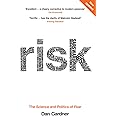
Risk: The Science and Politics of Fear. Dan Gardner
B**N
Compellingly written, vigorously researched
This book has confirmed a view I have held for several years, that "news" is poisonous. Being informed on issues of social or other import is important, but news, especially TV news, is a terrible way to become informed.I have read a couple of books on this theme before, especially The Culture of Fear. But what sets this book apart is the detailed, admirably researched discussion of how human neurology, psychology and sociology are behind most of what goes on. Instead of depicting the media as a sinister force that corrupts our minds, as The Culture of Fear does, Gardner points out that the reporters are subject to the same effects of fear on the brain that influences the public. Many psychology studies, well-known and obscure, are described and discussed.Part of this psychology research has been into how to defeat these biases and blind spots introduced by our "Gut". One of the best is to be aware of these subconscious biases and confident enough in our rational, "Head", judgments to override "Gut"'s mistaken snap judgments.Gardner is an expert writer, and this book is a powerful page-turner.Very highly recommended.
D**S
Memorable analysis of fear-mongering for profit and ideology.
Journalist author writes in the contemporary brisk reader-friendly style of popular science. Though the message has been said before, it's one that bears repeating.(1) As explained in e.g. Predictably Irrational: The Hidden Forces That Shape Our Decisions, human psychology is "predictably irrational" when it comes contemplating risk, which involves assessing a balance of probabilities and sizes of potential effects.(2) We are constantly exposed to fear-mongering -- deliberate exaggeration of risks and appeal to emotion rather than reason. Sometimes with profit motive -- pharmaceutical companies and restless leg syndrome, home security outfits. Sometimes from politicians, competing to be seen as "tough on crime". And from ideological interest groups. All this is amplified by feedback between media and viewers -- ``the new danger YOU need to known about" is a typical teaser for the 11 o'clock news. As the author writes, "we overestimate the likelihood of being killed by the things that make the evening news and underestimate those that don't." Three chapters deal specifically with perceptions of risk from terrorism, crime, and environmental carcinogens.Books that argue a case can become irritatingly hectoring, but this author manages to remain cheerful. After all, we do live in an age that is more peaceful, healthy and wealthy than any previous age.Note: book also published as The Science of Fear: Why We Fear the Things We Shouldn't--and Put Ourselves in Greater Danger.
B**R
Brilliant
This is a great book. Dan Gardner articulates precisely what I only had a vague sense of, that is a completely inaccurate sense of proportion that inflicts all of society. Immunization can have side effects, you may even die, but it's nowhere near as dangerous as getting tuberculosis, the flu or one of the other many killers. We hear about a murder on the other side of town, and we are nervous about our safety, but the chance of getting murdered is so remote, it's inconsequential, we should worry more about choking on a hot dog, and certainly driving should terrify us in comparison. Reading this book is like being woken up, like Neo in Matrix, you begin to realize that everyone is living in a weird parallel world where they fear the strangest things and only you seem to be able to spot it. Hopefully more people read this book so we can all snap out of it.
X**X
Facinating and entertaining
Fascinating but annoying. The author makes up his own names for behavioral economic terms which I found profoundly annoying having read many of their papers. Other than that, it is an entertaining survey. One of the messages is that investors and economists often think of risk in terms of the variance of market prices. Engineers think of it as expectation, the probability of an event times is cost. The average person goes with his gut and sometimes is right but often is wrong.
B**R
Good source of information
The author tells us about how journalists and others mislead us in using fear to select which news to write about and how. True. He also tells us about how probabilities are manipulated to offer misleading risk scenarios.......Peculiarly, the author falls in the same trap! On page 299 he estimates (mistakenly) the probabilities of certain events happening, generating misleading results.The book contains a wealth of information which makes it valuable as a reference book also.
M**K
An antidote of neuroscience for our cave (wo)man brain
Erudite and well argued book on how our understanding of risk - developed over several 100 thousand years as hunters & gatherers - comes up spectacularly short in the modern world. And how these short comings in understaning objective risk kill. Read this book to increase your and your kids' odds of surviving AND live life to it's fullest.
A**R
Great book!
Wonderful book and great service!
L**E
Excellent book!
This book keeps fears in perspective so I know what is truely risky and what is not. Excellent book!
Trustpilot
2 months ago
5 days ago