


๐ง Elevate your liquid level sensing game with pinpoint precision and effortless setup!
This Food Grade Optical Infrared Water Liquid Level Sensor features ยฑ1 mm accuracy and a 500mm cable for flexible installation. Designed without moving parts, it ensures high reliability and durability while working with various liquids. Operating at 5VDC with analog output, itโs ideal for precise, maintenance-free level detection in any tank size. Backed by over 20 years of liquid detection expertise and a 1-year warranty.


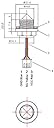
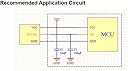
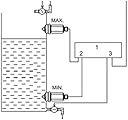


| ASIN | B075R6SSHJ |
| Brand Name | EPTTECH |
| Customer Reviews | 4.4 4.4 out of 5 stars (59) |
| Item Weight | 0.12 Kilograms |
| Manufacturer | EPTTECH |
| Material Type | Plastic |
| Maximum Supply Voltage | 5 Volts (DC) |
| Measurement Accuracy | 1 mm |
| Measuring Range | 500 mm |
| Model | EPTTECH |
| Mounting Type | Surface Mount |
| Output Type | Analog |
| Sensing Distance | 500 Millimeters |
| Specific Uses For Product | industrial automation, water treatment plants, food processing industries, chemical industries, pharmaceutical manufacturing |
| Style Name | Modern |
| UPC | 658126545365 |
| Upper Temperature Rating | 25 Degrees Celsius |
J**E
I was surprised at how effective these are and how easy they are to use with an Raspberry Pi Pico 2 W. I made a 3D printed cone to fit into a netcup space for hydroponics. When the water drops below the bottom of the netcup level the sensor triggers from wet to dry. Here is the CircuitPython code: # Minimum FS-IR02B Water Level Sensor Code import board import digitalio import time print("=== WATER LEVEL SENSOR - MINIMUM CODE ===") # Setup water level sensor on GP6 water_sensor = digitalio.DigitalInOut(board.GP6) water_sensor.direction = digitalio.Direction.INPUT water_sensor.pull = digitalio.Pull.UP print("Water level sensor ready on GP6") print("Hardware connections:") print("- VCC: Connect to 3V3 (Pin 36)") print("- GND: Connect to GND (Pin 38)") print("- Signal: Connect to GP6 (Pin 9)") print("") try: while True: # Read sensor (True = water present, False = no water) water_present = not water_sensor.value # Inverted logic if water_present: print("Water detected!") else: print("No water detected") time.sleep(1) # Check every second except KeyboardInterrupt: print("Stopped") except Exception as e: print("Error: " + str(e))
P**S
These work great
M**E
After a week, sensor work and not work .....
A**Y
These work great, they output 5v when fully submerged which is great to trigger relay modules if you don't want to use a microcontroller.
J**H
The sensor is sealed, you don't have to worry about drilling a tank or bucket if you don't want to. You can just hot glue it on the inside of a bucket or water tank if that is what you want to do and it will be fine. *You must be certain that the type of liquid will not damage the sensor. This sensor is plastic and is NOT for solvents like gasoline or acetone!* This light based water level sensor works great. I just tried it in R/O water and it works as expected. The quality of what I've got here looks good. I am not sure what the board is supposed to be for, perhaps this also makes it a replacement for something else. On Arduino, you can just digitalRead the sensor for a HIGH or LOW value with no board or other components involved. Seems to be highly responsive to its state change. Trivial to code and implement. A great product! *For higher accuracy, use AnalogRead on the sensor (which is 5v) to get a value from around 25-1050. They read very low, under 200 or usually less when wet in R/O water and usually over 1000 out of water. I use 500 as my threshold and it works great.
Trustpilot
3 weeks ago
1 month ago