We remain fully operational. Our teams are working around the clock to ensure your deliveries continue safely.

DOWNLOAD THE APP


Customer Services
Copyright © 2025 Desertcart Holdings Limited
DOWNLOAD THE APP


🚀 Elevate your home network to pro-level speed and control — don’t get left buffering!
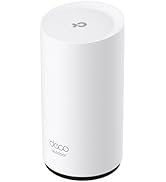
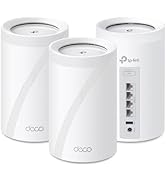
The TP-Link AC1900 Archer A8 is a high-speed dual-band WiFi 5 router delivering up to 1900 Mbps combined wireless speed. Featuring MU-MIMO technology for efficient multi-device connectivity, beamforming for extended coverage, and full gigabit Ethernet ports, it supports seamless streaming, gaming, and smart home integration. With parental controls and guest WiFi, it’s designed for modern households seeking reliable, fast, and secure internet access.











| ASIN | B08C3YBBHM |
| Antenna Location | Gaming |
| Antenna Type | Internal |
| Best Sellers Rank | #8,266 in Computers ( See Top 100 in Computers ) #162 in Routers |
| Brand | TP-Link |
| Built-In Media | Power Adapter, Quick Installation Guide, RJ45 Ethernet Cable, Wi-Fi Router Archer A8 |
| Color | Black |
| Compatible Devices | Personal computer, laptop, tablet, smartphone, game console |
| Connectivity Protocol | wi-fi |
| Connectivity Technology | Ethernet, Wi-Fi |
| Control Method | App |
| Controller Type | ios |
| Coverage | Medium to Long Range |
| Customer Reviews | 4.3 4.3 out of 5 stars (9,318) |
| Data Transfer Rate | 1900 Megabits Per Second |
| Frequency | 5 GHz |
| Frequency Band Class | Dual-Band |
| Has Internet Connectivity | Yes |
| Has Security Updates | Yes |
| Is Electric | No |
| Is Modem Compatible | Yes |
| Item Dimensions L x W x H | 24.3L x 16.1W x 3.3H centimeters |
| Item Type Name | WiFi Router |
| Item Weight | 0.91 Pounds |
| LAN Port Bandwidth | 1000 Mbps |
| Manufacturer | TP-Link |
| Maximum Upstream Data Transfer Rate | 950 Megabits Per Second |
| Mfr Part Number | Archer A8 |
| Model Name | Archer A8 |
| Model Number | Archer A8 |
| Number of Antennas | 3 |
| Number of Ports | 5 |
| Operating System | TP-Link OS |
| Other Special Features of the Product | Beamforming, Guest Mode, Internet Security, LED Indicator, Parental Control, Access Point Mode, QoS, WPS |
| Router Firewall Security Level | Basic |
| Router Network Type | Dual-Band MU-MIMO Router |
| Security Protocol | WPA2-PSK |
| UPC | 840460602358 845973089641 |
| Unit Count | 1 Count |
| Voltage | 100240 Volts |
| Wi-Fi Generation | Wi-Fi 5 |
| Wireless Compability | 802.11a, 802.11ac, 802.11b, 802.11g, 802.11n |
S**N
Speed Monster - Highly Recommended
Were using standard Du's Linksys Modem and reaching 600 mbps, now with TP, i can get 950 mbps. Huge speed gain for me However interface is a bit basic, for flagship model i woud expect more functionality
B**R
Amazing speed and performance.
One of the best wifi 7 routers in the market hands down. Amazing performance, fast speed and strong connection.
N**A
Amazing speed and coverage
My children do not even know that I can't pay rent after buying this because we're outside enjoying our high speed wifi
R**V
Not working
After 3 months stopped working
H**I
نعم راوتر يدعم واي فاي 7
D**E
I had been waiting on this GE800 router for some time, but it was always too expensive. Until Amazon Prime Days. It was on sale for $329 plus 25% back, which made it $247 plus tax (a steal). I have bought TP-Link routers for ages due to their reliability and value price points. My previous router, an AX11000 TP-Link Tri-Band model, had been rock solid for 4 years. Since I seem to be getting more and more newer devices that could jump on the 6ghz band and utilize Wi-Fi 7, I decided it was time for an upgrade. Even if you don't use this for gaming, it is a great router. Pros: 1) Wi-Fi 7. The new level is here, and this thing seems to have everything covered. MLO, 320 MHz Bandwidth, 4K-QAM, OFDMA, MU-MIMO, 19,000 Gbps, 1 SPF+ Port, two 10Gbps ports, and four 2.5 Gbps ethernet ports. It has 3 bands at 2.4 GHz, 5 GHz, and 6 GHz. 2.4GHz runs up to 1376Gbps, 5GHz runs up to 5764, and the 6GHz goes to 11528. If you don't plan on using the 6Ghz channel much, then this thing is overkill and kind of a waste. 2) Aesthetic. I will just come out and say it. It is the imperial shuttle from Return of the Jedi. Looks rather cool and lights up (if that is your thing). You can disable the RGB though if you don't want it. The four buttons on the front control WPS, Wi-Fi On/Off, Game Booster, and RGB On/Off. The back has the SPF+ port, 6 Ethernet Ports (two 10Gbps and four 2.5Gbps), the On/Off switch, the Power Port, USB 3.0 port, and a reset button that is recessed. The device comes with a tool to push the reset button. Think a SIM card ejector tool for your smartphone. The two towers have the built-in antennas with 4 in each side. The center is where the internal fan blows out hot air whenever needed. 3) Coverage for 2.4GHz and 5GHz bands. I thought my AX11000 router's range was extensive. I have a 2100sqft single story house that was well covered, and that router reached the garage beyond no problem. Anything beyond 20 ft outside though is where the signal ended. Not with this GE800 router. I can get all the way to the street and to the end of my back yard (2/3 acres) with both the 2.4GHz and 5GHz bands. Every device on those two bands seem to have a better signal compared to my older router. You will have no problem with dropped signals. Just make sure to place it in the center of the home and high up. I have it in my coat closet on the highest shelf. 4) Size. If you have not gotten a new router since Wi-Fi 5, then yes this will be rather large to you. If you have a Wi-Fi 6 or newer, this is actually on the smaller side. It was smaller than my AX11000 router. For all the power this thing packs, it is well designed and planned out. 5) Speed. I have a 1Gbps up/down fiber connection. I may upgrade to 2, but wanted to get a router that could handle it at some point. AT&T Fiber overprovisions their speeds now on all levels, so I actually get 1.3Gbps up/down. Now that I have 2.5Gbps or greater ethernet ports, I actually get the full speed to my desktop or any other device that can handle it. The latency also seems to be lower on this router compared to my last one. Also, make sure to schedule a weekly reboot in the router settings. I notice this clears up most issues with TP-Link routers, and I never have an issue with them since that feature was added years ago. Cons (well sort of): 1) Fan. This is both a positive and negative. It helps keep the device cool, which is a positive. The downside is that it is an additional item that can break at some point. The device does not keep it on all the time though. It will only come on when the device reaches a specific temp. The new firmware just released (July 2025) lets you choose how this router handles the fan functions. Some people in other reviews complain about the sound of the fan. I think it sounds just like a normal desktop fan in my chassis (a rather quiet one). I have the device in my coat closet, so I never hear it anyway. But it could be bothersome if sitting right near you. 2) 6GHz band. This is my first time with using this type of band, so keep that in mind. It is lightning fast, but limited in range (as expected). The firmware that was just released seem to extend the range some (my signal is better everywhere), but it is still not going to go far. I noticed the more walls the signal must travel through to your device, the worse the signal (the other bands are like that, but not effected as much as this band). Like the 6GHz band can get almost to my garage on the other side of the house (probably 50 to 60ft) since there is really only 2 walls between it. But my office is much closer (20ft) with 4 walls between it, and the signal is worse. Within 10ft though, this thing is a beast regardless. 3) HomeShield. This is actually helpful, but the fact you have to pay for the more advanced features on an annual basis (or monthly) is ridiculous. Many of these features are included for free on other routers. My previous router had an older version called HomeCare, which was free. Do you need the HomeShield advanced paid features? Not really. You can find better and cheaper security program alternatives. But at $36 per year, it is not too bad. It adds extra protection built into your router that covers the entire Internet connection. 4) Price. I claimed this was a steal on Amazon Prime Days, which is true for the power of this Wi-Fi 7 router. But compared to most routers, it is still too high. It ranges from $349 to $499 often and the MSRP is $599. Like I said earlier, if you don't plan on using the 6GHz band that has the most speed, this is overkill. You would be better off getting a cheaper Wi-Fi router that can be had for under $200. Overall: If you want the best bang for your buck on a Wi-Fi 7 router, this is it. It gives you insane speeds, great coverage, future-proof for the next 5 years (at least), and looks cooler than most routers. TP-Link gets a bad rap since it is a Chinese company, but they make some great consumer-friendly routers. And, they don't charge you an arm and a leg like Netgear, ASUS, and other "brand name" routers.
U**R
After less than 3 years with my prior router from a different brand, its signal strength was noticeably declining and then 2 months ago I received an email from the manufacturer saying that it would not longer be supported and may stop working entirely. That was the context for searching out and ordering this TP-Link remote router for my office and I am very happy with its improved performance compared to the unit it has replaced. I have the router installed in my home office, in a separate building about 100' from my house. This router is connected to our main modem in the house through a 200' LAN cable which works perfectly. Setup was extremely easy - I followed the instructions precisely, step by step, and it hooked right up. The password strength is both satisfactory ... and not so darned complicated that it's difficult to enter as required. The strength of the signal is much better than what I had before, easily crossing the back yard and allowing connectivity from rooms facing from inside the main house. It also allows good, fast signal through a metal porch roof which wasn't possible previously. As much as I was frustrated with having to replace a unit that wasn't old enough to reasonably fail, it was completely worth it for the improved performance this has brought for my home office. As advertised; full marks!
B**O
Es una excelente marca para router para transmisión a altísima velocidad, es el mejor hoy en el mercado en Enero del 2024.
A**I
اقوي جهاز راوتر جربته الي الان بدون مشاكل
E**Y
UPDATE, JUNE 6, 2025: I've had this router for 3 months now with my Spectrum (Cable) Internet service. I currently have the 1000 Mbps-Down/40 Mbps Up speeds. I get consistent speeds on WiFi equal to what I subscribed to the 1 Gig service from Spectrum Internet. Very happy with the router. See attached speed test picture.. Note: Also the security subscriptions on this router are not needed. They are optional enhancements. The router will work without them. The router firmware is up to date........ ****Recommended settings for TP Link Wi-Fi routers and access points, which could potentially take care of all the negative reviews**** For the best security, performance and reliability, these are the recommended settings for any Wi-Fi routers, base stations or access points. The information in this article is primarily for network administrators and others who manage their own network. About Wi-Fi privacy and security warnings If your devices shows a privacy warning or weak-security warning about a Wi-Fi network, such as a warning about a private Wi-Fi address, that network could expose information about your device. If you administer the Wi-Fi network, we recommend you update the settings of your Wi-Fi router to meet or exceed the security standards in this article. If you don't administer the Wi-Fi network, bring these settings to the attention of the network administrator. Router settings To change your router's settings, update its firmware or change the Wi-Fi password, use the configuration web page or app provided by the router's manufacturer. For help, consult the router's documentation, its manufacturer or your network administrator. Before changing settings, back up your router's existing settings in case you need to restore them. Also make sure your router's firmware is up to date, and install the latest software updates for your devices. After changing settings, you may need to forget the network on each device that previously joined the network. The device then uses the router's new settings when rejoining the network. To help ensure your devices can connect securely and reliably to your network, apply these settings consistently to each Wi-Fi router and access point, and to each band of a dual-band, tri-band or other multiband router: Security Network name (SSID) Hidden network MAC address filtering Automatic firmware updates Radio mode Bands Channel Channel width DHCP DHCP lease time NAT WMM DNS server Security Set to WPA3 Personal for better security, or set to WPA2/WPA3 Transitional for compatibility with older devices. The security setting defines the type of authentication and encryption used by your router, and the level of privacy protection for data transmitted over its network. Whichever setting you choose, always set a strong password for joining the network. WPA3 Personal is the newest, most secure protocol currently available for Wi-Fi devices. It works with all devices that support Wi-Fi 6 (802.11ax), and some older devices. WPA2/WPA3 Transitional is a mixed mode that uses WPA3 Personal with devices that support that protocol, while allowing older devices to use WPA2 Personal (AES) instead. (**Will not work as well with legacy devices. 2.4 and 5Ghz signals fluccuate too much. Use WPA2 for non-compatible WPA3 devices.**) WPA2 Personal (AES) is appropriate when you can't use one of the more secure modes. In that case, also choose AES as the encryption or cipher type, if available. (***Most preferred encryption for legacy devices on 2.4 and 5 Ghz.***) Weak security settings to avoid on your router Don't create or join networks that use older, deprecated security protocols. They're no longer secure, they reduce network reliability and performance, and they cause your device to show a security warning: WPA/WPA2 mixed modes WPA Personal WEP, including WEP Open, WEP Shared, WEP Transitional Security Network or Dynamic WEP (WEP with 802.1X) TKIP, including any security setting with TKIP in the name Settings that turn off security, such as None, Open or Unsecured, are also strongly discouraged. Turning off security disables authentication and encryption and allows anyone to join your network, access its shared resources (including printers, computers and smart devices), use your internet connection, and monitor the websites you visit and other data that's transmitted over your network or internet connection. This is a risk even if security is turned off temporarily or for a guest network. Network name (SSID) Set to a single, unique name (case-sensitive) for all bands. The SSID (service set identifier) is the name that your network uses to advertise its presence to other devices. It's the name that nearby users see on their device's list of available Wi-Fi networks. Make sure all routers on your network use the same name for every band they support. If you give your 2.4GHz, 5GHz or 6GHz bands different names, devices may not connect reliably to your network, to all routers on your network or to all available bands of your routers. If your router is providing a Wi-Fi 6E network that isn't using the same name for all bands, Apple devices that support Wi-Fi 6E will identify the network as having limited compatibility. Turn off "Smart Connect" Disable OFDMA/MU-MIMO. Don't enable MLO Network. Most household do not have Wi-Fi 7 devices. Use a name that’s unique to your network. Don't use common names or default names such as linksys, netgear, dlink, wireless or 2wire. Otherwise, devices that join your network will be more likely to encounter other networks that have the same name, and then automatically try to connect to them. Hidden network Set to Disabled. A router can be configured to hide its network name (SSID). Your router may incorrectly use "closed" to mean hidden and "broadcast" to mean not hidden. Hiding the network name doesn't conceal the network from detection or secure it against unauthorised access. And because of how devices search for and connect to Wi-Fi networks, using a hidden network may expose information that can be used to identify you and the hidden networks you use, such as your home network. When connected to a hidden network, your device may display a privacy warning because of this privacy risk. To secure access to your network, use the appropriate security setting instead. MAC address filtering, authentication or access control Set to Disabled. When this feature is enabled, your router can be set up to allow only devices that have specified media access control (MAC) addresses to join the network. You shouldn't rely on this feature to prevent unauthorised access to your network for these reasons: It doesn't prevent network observers from monitoring or intercepting traffic on the network. MAC addresses can easily be copied, spoofed (impersonated) or changed. To help protect user privacy, some Apple devices use a different MAC address for each Wi-Fi network. To secure access to your network, use the appropriate security setting instead. Automatic firmware updates Set to Enabled. If possible, set your router to automatically install software and firmware updates when they become available. These updates can affect the security settings available to you, and they deliver other important improvements to the stability, performance and security of your router. Radio mode Set to All (preferred), or set to Wi-Fi 2 to Wi-Fi 6 or later. Radio mode settings, available separately for 2.4GHz, 5GHz and 6GHz bands, control which versions of the Wi-Fi standard that the router uses for wireless communication. Newer versions offer better performance and support more devices concurrently. It's usually best to enable every mode offered by your router, rather than a subset of those modes. All devices, including older devices, can then connect using the fastest radio mode they support. This also helps reduce interference from nearby legacy networks and devices. Bands Enable all bands supported by your router. A Wi-Fi band is like a road that data can pass down. More bands provide more data capacity and performance for your network. Channel Set to Auto. Each band of your router is divided into multiple, independent communication channels, such as lanes on a road. When channel selection is set to automatic, your router selects the best Wi-Fi channel for you. If your router doesn't support automatic channel selection, choose whichever channel performs best in your network environment. That varies depending on the Wi-Fi interference in your network environment, which can include interference from other routers and devices that are using the same channel. If you have multiple routers, configure each one to use a different channel, especially if they are close to each other. Channel width **Set to 20MHz for the 2.4GHz band** (Very important..!!). Set to Auto or all widths for the 5GHz and 6GHz bands. Channel width specifies how large of a "pipe" is available to transfer data. Wider channels are faster but more susceptible to interference and more likely to interfere with other devices. 20MHz for the 2.4GHz band helps to avoid performance and reliability issues, especially near other Wi-Fi networks and 2.4GHz devices, including Bluetooth devices. Auto or all channel widths for 5GHz and 6GHz bands ensures the best performance and compatibility with all devices. Wireless interference is less of a concern in these bands. DHCP Set to Enabled if your router is the only DHCP server on the network. Dynamic host configuration protocol (DHCP) assigns IP addresses to devices on your network. Each IP address identifies a device on the network and enables it to communicate with other devices on the network and internet. A network device needs an IP address, much like a phone needs a phone number. Your network should have only one DHCP server. If DHCP is enabled on more than one device, such as on both your cable modem and router, address conflicts may prevent some devices from connecting to the internet or using network resources. DHCP lease time Set to 8 hours for home or office networks. Set to 1 hour for hotspots or guest networks. DHCP lease time is the length of time that an IP address assigned to a device is reserved for that device. Wi-Fi routers usually have a limited number of IP addresses they can assign to devices on the network. If that number is depleted, the router can't assign IP addresses to new devices, preventing those devices from communicating with other devices on the network and internet. Reducing DHCP lease time allows the router to efficiently reclaim and reassign old IP addresses that are no longer being used. NAT Set to Enabled if your router is the only device providing NAT on the network. Network address translation (NAT) translates between addresses on the internet and addresses on your network. NAT can be understood by imagining a company's post department, where deliveries to employees at the company's street address are directed to employee offices within the building. Generally, enable NAT only on your router. If NAT is enabled on more than one device, such as on both your cable modem and router, the resulting "double NAT" may cause devices to lose access to certain resources on the network or internet. WMM Set to Enabled. WMM (Wi-Fi multimedia) prioritises network traffic to improve the performance of a variety of network applications, such as video and voice. All routers that support Wi-Fi 4 (802.11n) or later should have WMM enabled by default. Disabling WMM can affect the performance and reliability of devices on the network. DNS server Continue using the default DNS server, or specify a different primary or secondary server. To easily access websites on the internet, devices need a DNS (Domain Name System) server to translate domain names (such as apple.com) into IP addresses. By default, your router uses the DNS server of your internet service provider (ISP). If it's configured to use a different DNS server, your devices will by default use that server while connected to your router's network. If your device warns you that your network is blocking encrypted DNS traffic, you can continue using the configured DNS server, but the names of websites and other servers that your device accesses on the network are unencrypted and therefore could be monitored and recorded by other devices on the network. You can contact your ISP or other DNS provider for more information, but first try these solutions: Make sure your software is up to date and your security setting is configured as recommended. Restart your device. Restart your router. Forget the Wi-Fi network and then rejoin it.
Trustpilot
3 weeks ago
2 weeks ago